.png)
What's in Your Waste? How Waste Characterization Studies Turn Trash into Actionable Data


Most people see a bag of trash and think, "Out of sight, out of mind."
We see a story.
Every coffee cup, cardboard box, banana peel, plastic wrapper, and broken chair has something to say about how we purchase, consume, and dispose of materials. More importantly, it tells us where opportunities exist to reduce waste, lower costs, and design better systems.
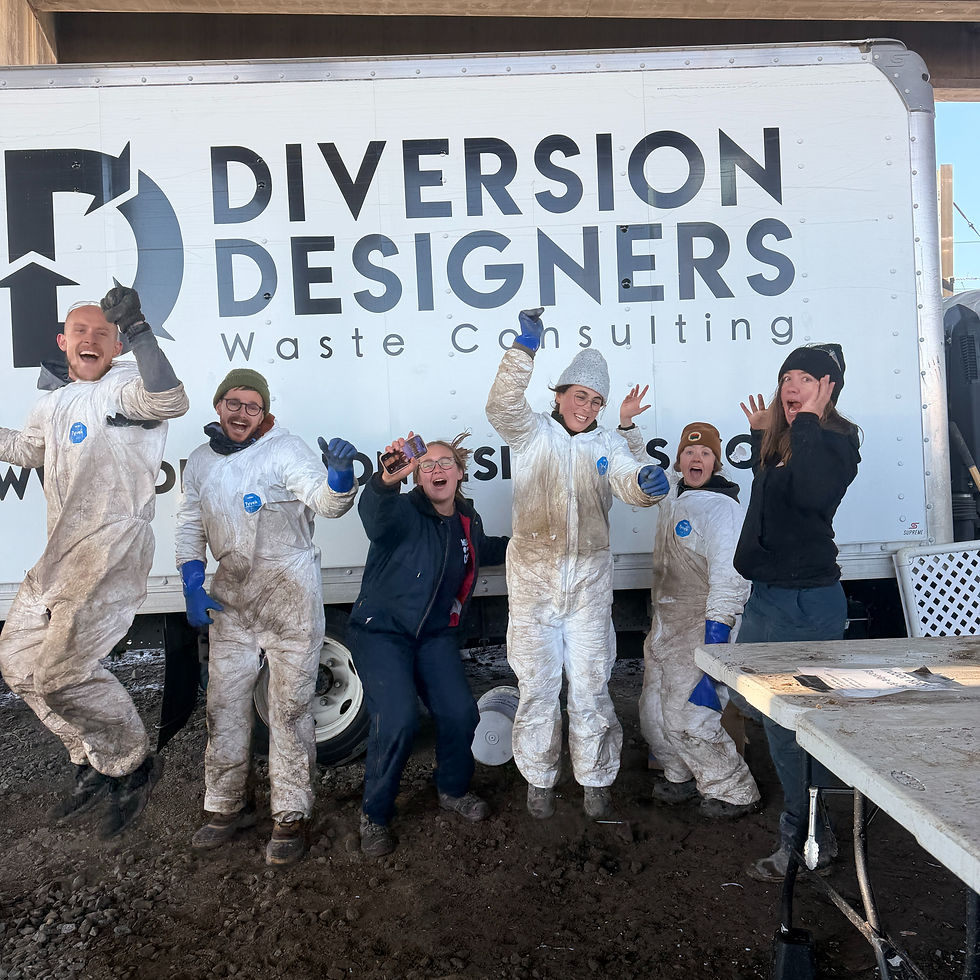
At Diversion Designers, we've spent the past several years helping communities, businesses, and universities uncover those stories through waste characterization studies. While sorting through thousands of pounds of waste may not sound glamorous, the data hidden inside those materials is one of the most valuable tools for making smarter decisions.


Every Waste Stream Has a Story
Waste characterization studies go far beyond calculating a diversion rate.
They're about understanding why materials are ending up where they do.
Is recyclable material consistently being thrown away? Are compostable materials contaminating the landfill? Is a community ready to invest in a municipal recycling facility? Are purchasing decisions creating unnecessary waste before products are ever used?
The answers aren't found in assumptions.
They're found in the waste itself.
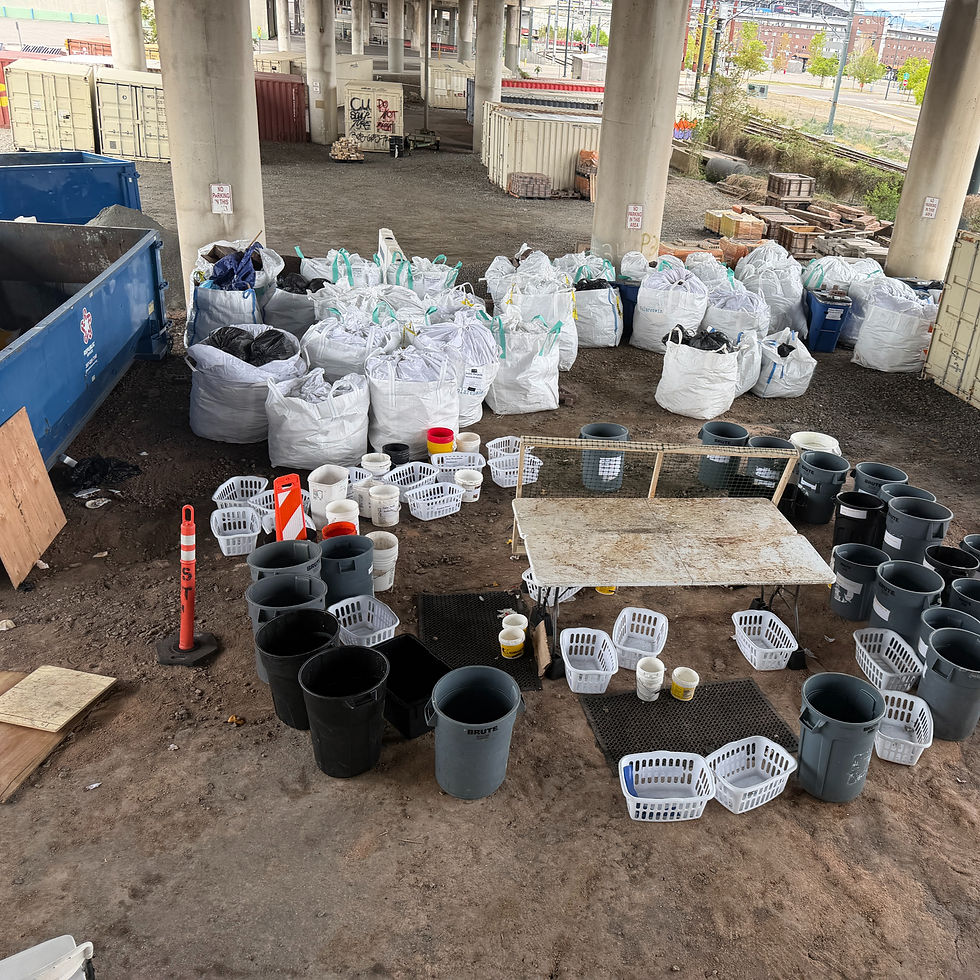
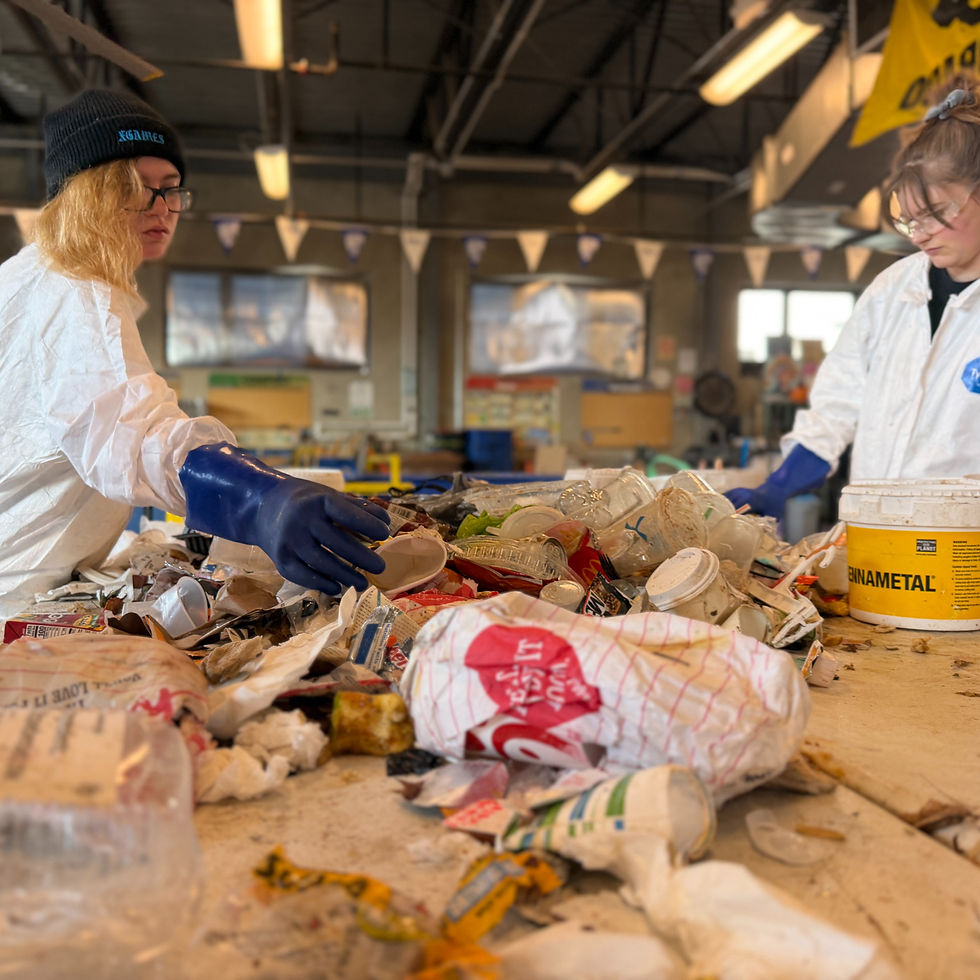
One of our recent projects took us to Rock Springs, Wyoming, where our team spent a week at the landfill characterizing approximately 9,000 pounds of material from residential, commercial, and construction and demolition loads. Working in Wyoming's famous 50-mile-per-hour winds, we collected 200+ pound samples from incoming trucks and hand sorted them into more than 50 material categories.
Why?
Because before a community invests in new diversion infrastructure, it needs reliable data. Those carefully sorted samples help determine what materials could be recovered through recycling, composting, reuse, or donation programs, providing local leaders with the information they need to make informed, cost-effective decisions.
On college campuses, the questions are different, but the approach remains the same.
At CU Boulder, waste characterization studies help identify opportunities to improve collection systems, reduce contamination, and better understand how campus operations influence material recovery.
At Auraria Campus, our team recently completed the first phase of a two-season study, sorting approximately 8,000 pounds of waste and recycling into 57 material categories. By studying multiple seasons, the campus will gain a more complete picture of how waste generation changes throughout the academic year, creating a stronger foundation for future planning.
Three very different projects.
One common goal.
Turn waste into actionable information.

Data Before Decisions
One of the biggest misconceptions about waste characterization studies is that they're simply about measuring what's in the trash.
In reality, they're about answering bigger questions.
Should we invest in additional recycling infrastructure?
Are education efforts working?
Where is contamination occurring?
Could purchasing different products eliminate waste before it's created?
Are we missing opportunities to recover valuable materials?
Good data replaces guesswork.
It gives organizations confidence that the decisions they're making are based on evidence instead of assumptions.
That's where the real value lies.


Try Your Own Mini Waste Study
You don't need a sorting table, industrial scale, or Tyvek suit to learn something from your waste. Whether you're a business, school, office, or even a household, try a simple one-day waste review.
Ask yourself:
What materials appear most often?
Which items could have been reused instead?
Are recyclable or compostable materials ending up in the trash?
Is there one product that creates more waste than you realized?
What's one change that could eliminate that waste altogether?
You don't need to sort into 50 categories to uncover meaningful insights. Sometimes simply paying attention is enough to spot opportunities for improvement.
So...What's in Your Waste?
Every waste stream tells a story.
Sometimes it's a story about purchasing habits. Sometimes it's about infrastructure. Sometimes it's about behavior. And often, it's about untapped opportunities hiding in plain sight.
At Diversion Designers, we believe the best waste solutions begin with understanding what's really being thrown away. Because once you know the story your waste is telling, you can start writing a better one.
Comments